

A few nights ago, my eight-year-old was being way too cute. They just wanted to write. They started with trying to transcribe a poem from English to Braille, and they ended with writing a graphic novel about Minecraft. It got me thinking about how I have not written for myself in quite a while. Moreso, it got me thinking about my relationship to writing in general.
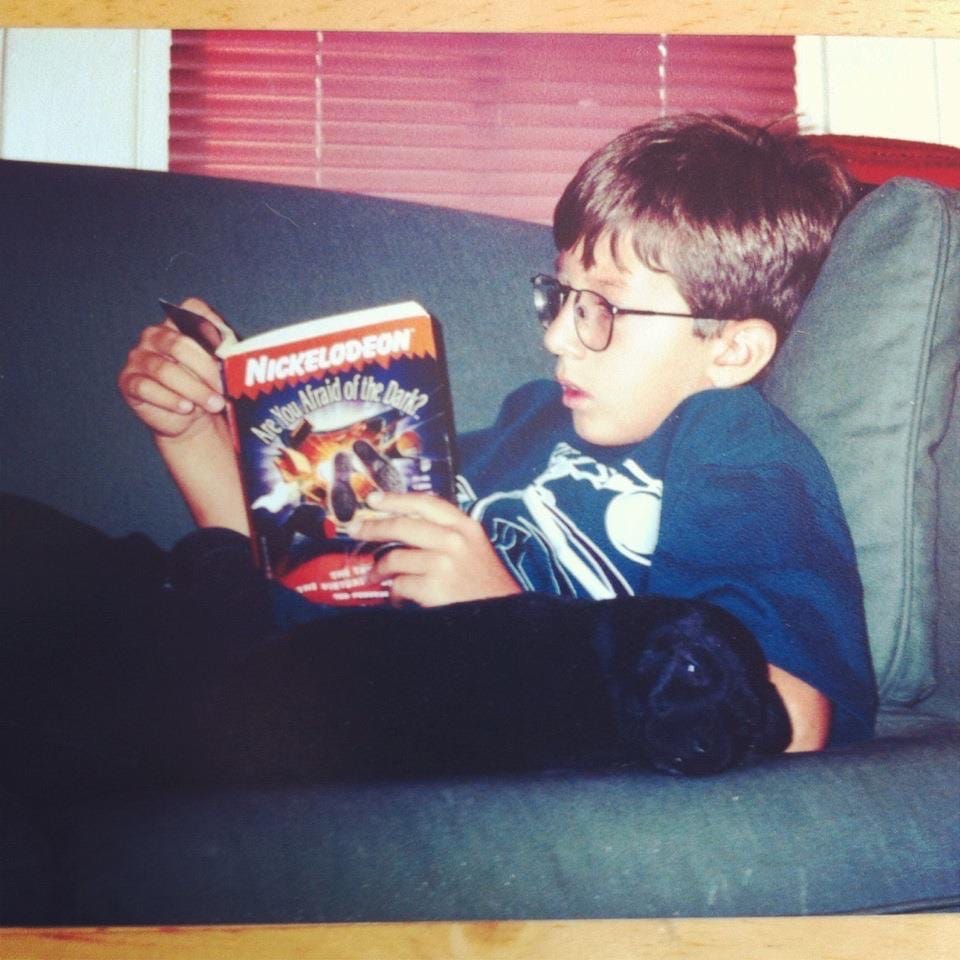
I’ve always been a writer. When I was young, I wrote countless stories in my notebooks. As a kid, the collection of scribbled paragraphs surely amounted to full novels in my mind. I also had a particular affinity toward writing titles. I can recall writing The Lighthouse of Horror, which is honestly pretty self-explanatory. I also began a science fiction story called Life in Fear of a Black Sun, which I was exceptionally proud of. There were always stories in my head, and at times they felt so real that I got into legitimate shouting matches with my parents about the fact that I was not actually from Mars, and I couldn’t “go home.”
After a while, I started to notice how powerful words could be for impacting other people. I began writing notes to express what I could not verbally or to broach topics I was too anxious to speak out loud. As child and tween, I also found a particular joy in writing cards that were so sweet and thoughtful that it would nearly make adults cry. I recall buying a M*A*S*H commemorative cast photo and writing a whole letter on the back telling my father that I was proud of his accomplishments. I can’t really tell whether this newfound power made me more empathetic or more psychopathic. Still figuring that one out.

Of course, school is also an important venue for writing. I wasn’t a perfect student, but English and language arts were always strengths of mine. Even when I didn’t want to complete a written task, I would try hard to do it well. And of course, I still loved my titles as evidenced by my essay, “Envenom’d Throne: A Critical Analysis of Social Statuses in Jane Eyre.” Thinking critically about source material, bias, and treating all writing as persuasive writing were cores of my writing style that were developed in high school. I also ended up getting a perfect score on our district’s writing examination, which was a fun motivator to keep it up.
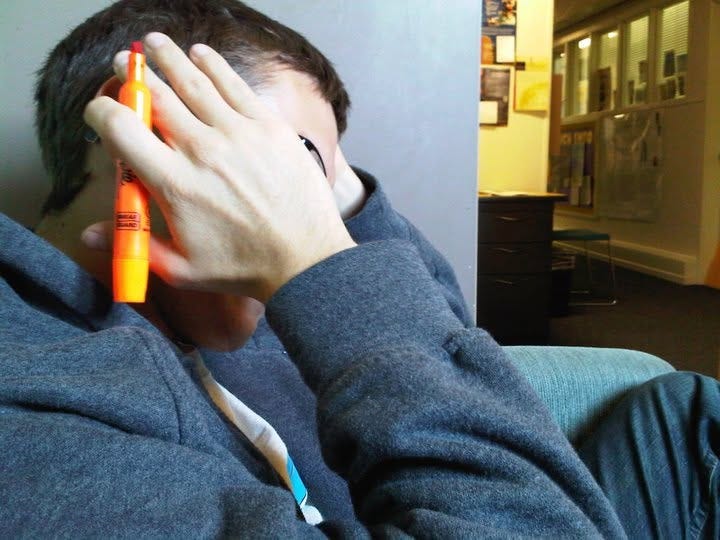
In college, I wrote with a much clearer intention: get perfect grades and get into graduate school. Not much to say about that – I was super fortunate and got into my top graduate school choice, and entered into a Ph.D. program at UC Santa Barbara right after graduating from college. During graduate school, I began to bridge the gap between academic writing and writing that featured my own personality. My work was good, but often with a touch of silliness, crassness, or absurdity. After integrating a bit too much humor into my master’s degree capstone presentation, I was told by faculty advisor that I do great work, but I also need to know when to “button up.”
Luckily, I found another avenue to explore my personality and be freer with my writing. By the end of graduate school, I had dipped my toe into blogging, podcasting, YouTube, and developing content on platforms like Instagram. From mixology to interviews to guided meditations, I began to rediscover that ability to impact other human beings through my writing. It wasn’t only intoxicating – it started to make me a little bit of money on the side. Money that I was desperately craving as a full-time student.
For doctoral programs in clinical psychology, the final year is typically spent working as an intern. I moved to San Diego and worked as a full-time psychologist intern at Kaiser Permanente. While that took up a lot of time, I was also exposed to just how bad resources for people struggling with mental health were. I encountered handouts that had been photocopied over and over since the 1970s and “self-help” books that were heavy enough to hammer in a nail.
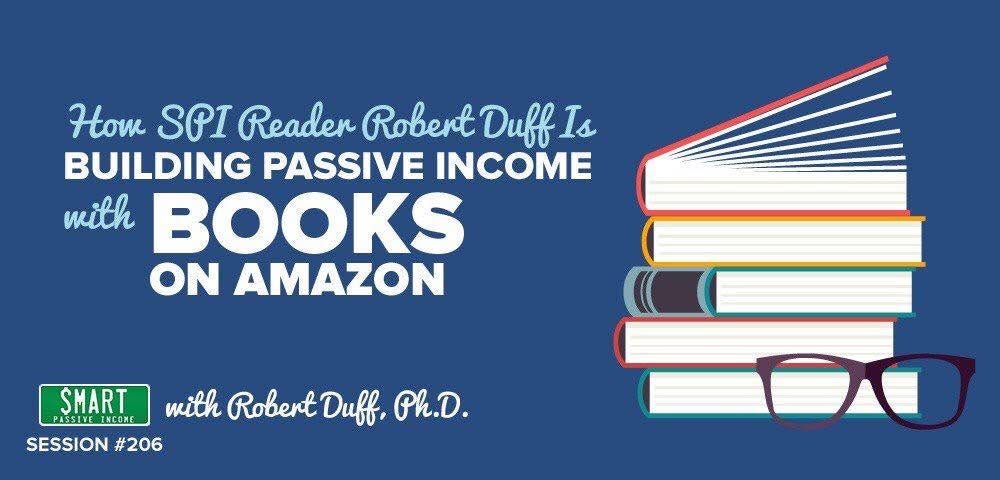
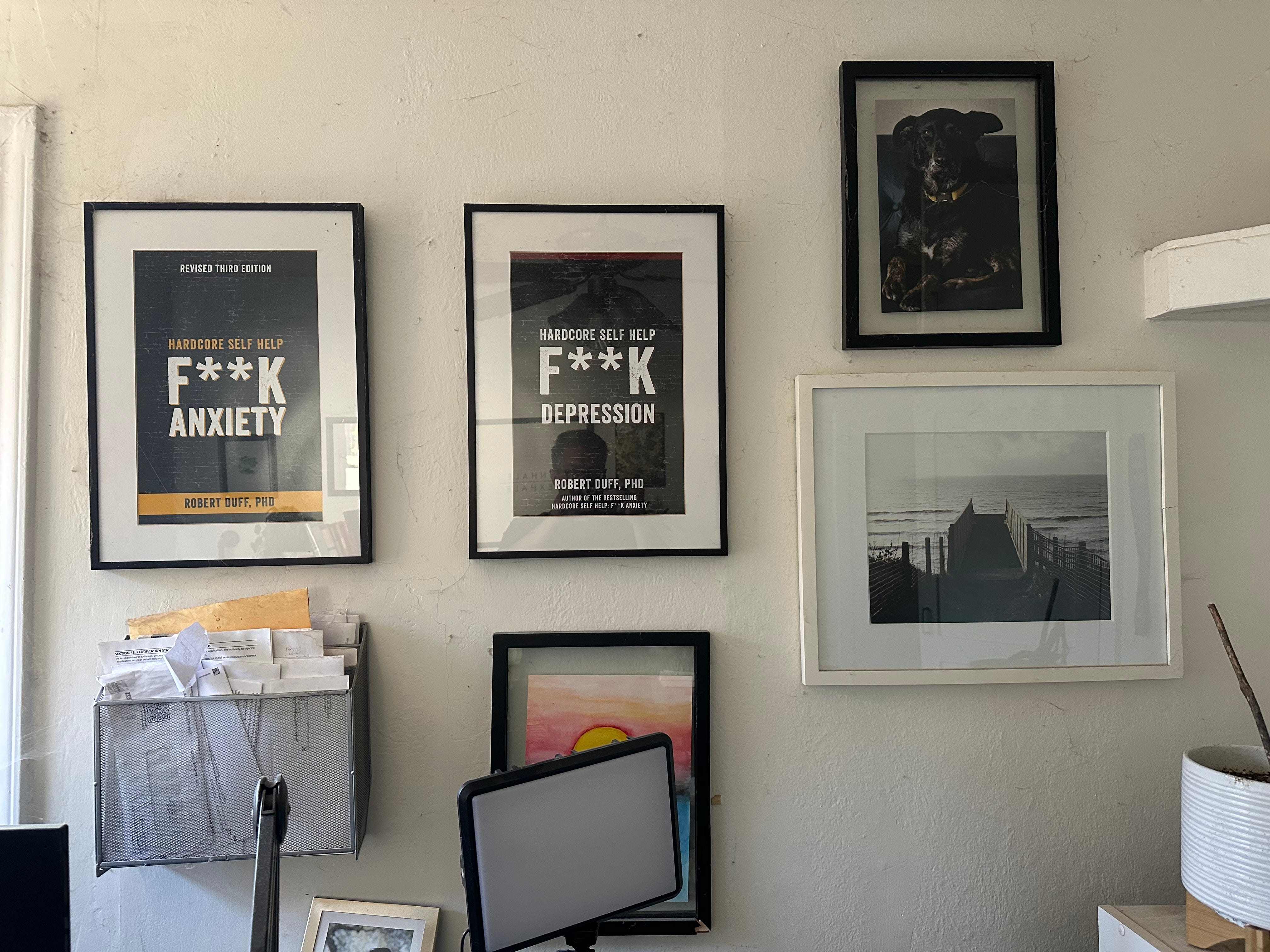
I wanted to do better and make content that was entertaining and digestible. I wasn’t licensed yet, but when have I ever let something like a degree and official designation stop me? I published the first book in the Hardcore Self-Help series, F**k Anxiety, before I completed by internship. It was off to the races from there. I kept writing books and created an online course for anxiety sufferers. The more I wrote, the more people read – at least for a while.
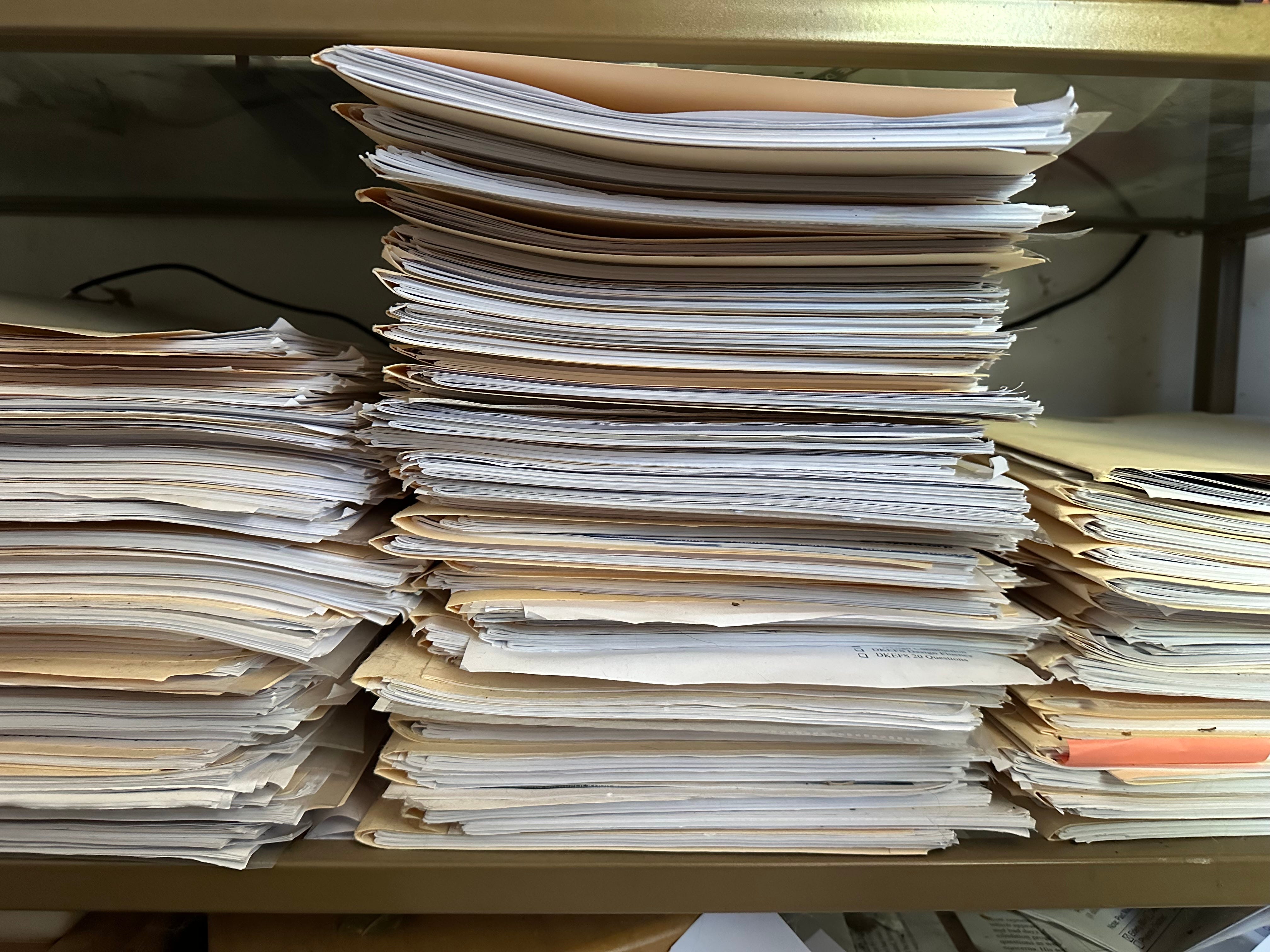
These days, my writing is skewed in a different way. In my career as a neuropsychologist, I spend what feels like the majority of my day-to-day life writing. However, I’m writing clinical reports designed to educate patients and help fellow providers with their own work. Of course, I have still made blog posts, Substacks, and videos here and there, but if you’ve followed my work over the years, you know that I’m not nearly as prolific as I once was.
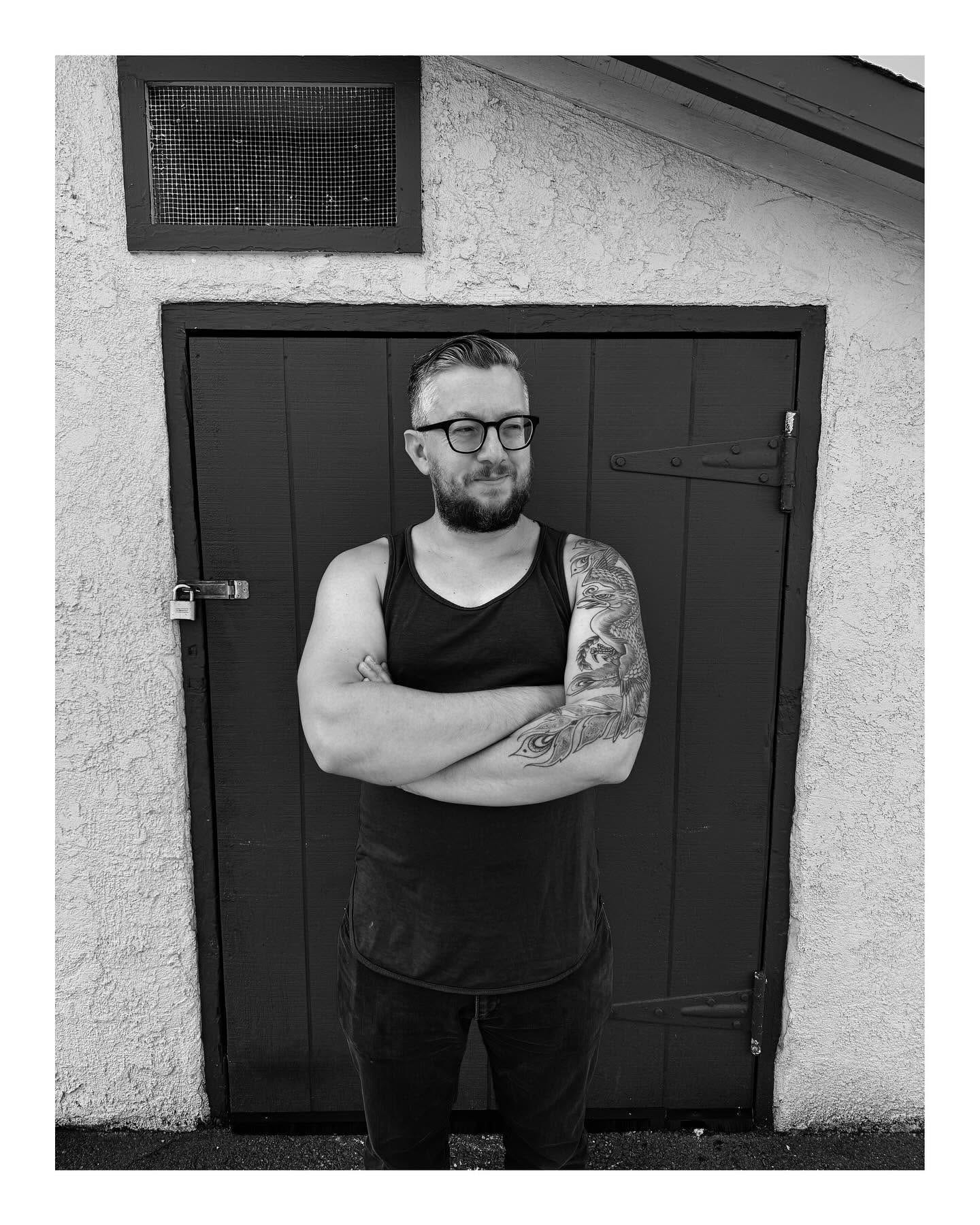
Which leads me to now. Who am I as a writer? What do I want to write? What am I good at writing? What do people want to read from me? I’m really not sure. And I feel compelled to figure it out.
I challenged myself to write some terms that characterize my voice. Here’s what I came up with: clear, casual, humorous, intelligent, empathetic, persuasive, sometimes vulgar, critical, and varied.
Where does that leave me and what should I be writing right now? I don’t have an answer for you right now, but I hope you stay tuned while I work it out.
